
It only breaks when you try to replace everyone instead of understanding them.
In Everything Everywhere All at Once, Evelyn Wang is a laundromat owner. Tired. Overwhelmed. Then she discovers she can verse-jump, accessing every version of herself across infinite universes. The kung fu master. The movie star. The chef. Suddenly capable of everything.
That power almost destroyed her. Her daughter Joy was pushed so hard to become everything that she broke. Built an "everything bagel" of nihilism. Concluded that if you can be everyone, nothing matters. Evelyn nearly followed the same path.
AI just handed all of us the same verse-jump. But here's the difference: AI won't break us. Not unless we make the same mistake Joy did — trying to completely replace and become every role instead of understanding them well enough to work with them.
The Video Problem
As someone who's worked in video strategy, I know the pain. Studying content properly means going through transcripts, watching each video, taking notes. It's slow and nobody enjoys it.
So I gave Claude Opus 4.6 a YouTube link. It can't watch videos. But look:
MY PROMPT:
"Here's a video: [YouTube link]. Break down the key
ideas, who's speaking, and what I should take away."
WHAT OPUS 4.6 DID:
web_search → video title + transcript
web_fetch → full YouTube page metadata
web_search → blog recaps and discussions
web_fetch → read 2 full articles covering the content
web_search → speaker's background and expertise
synthesis → structured breakdown with arguments, takeaways, gaps
6 tool calls. What used to take me an hour of transcript scrubbing took one prompt.
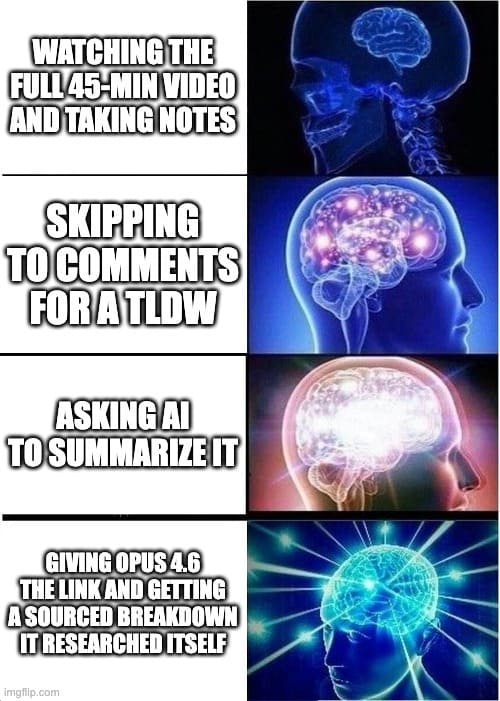
That was the research hat. But the real surprise came when I tried wearing the strategist hat.
The Product Marketing Curiosity
I've always been passionate about product marketing but never studied it. No course. Just curiosity. Through AI conversations I discovered April Dunford's Obviously Awesome: Competitive Alternatives, Unique Attributes, Value, Target Customer, Market Category. The gold standard.
To use this framework, you need deep competitive analysis. So I asked Opus 4.6:
MY PROMPT:
"My competitors are [Tool A], [Tool B], [Tool C].
Using Dunford's framework, build a feature-by-feature
comparison with pricing, integrations, ideal customer,
and honest wins/losses for each."
WHAT OPUS 4.6 DID:
web_search → product pages for each competitor
web_fetch → full pricing and feature pages
web_search → G2 reviews and user complaints per tool
web_fetch → detailed review content
web_search → recent launches and changelogs
web_fetch → integration docs
web_search → analyst comparisons
synthesis → Dunford-framework positioning matrix with honest editorial
8 tool calls. Not a generic table. An opinionated competitive analysis ready the same afternoon.
Researcher done. Strategist done. Now for the executor:
Bonus: "Now build me a battle card."
MY PROMPT:
"Using Klue's battle card framework, create a
competitive battle card for [My Product] vs [Tool A].
Include: overview, target personas, comparison matrix,
differentiators with proof, objection handling,
discovery questions, pricing positioning.
Make it a downloadable one-pager."
WHAT OPUS 4.6 DID:
web_search → latest product info for both tools
web_fetch → pricing pages, case studies, G2 comparisons
installed python-docx in its environment
wrote Python script with tables, headers, branded formatting
generated a downloadable .docx battle card
Research, framework, formatted deliverable. One conversation.
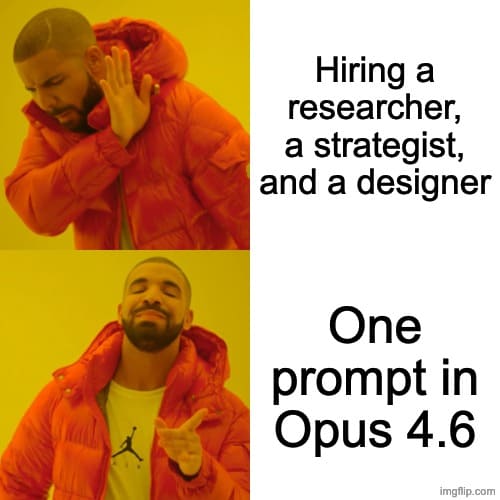
Three prompts. Three roles. And that was just Tuesday. By Wednesday, I was building something bigger.
Then I Built a Website
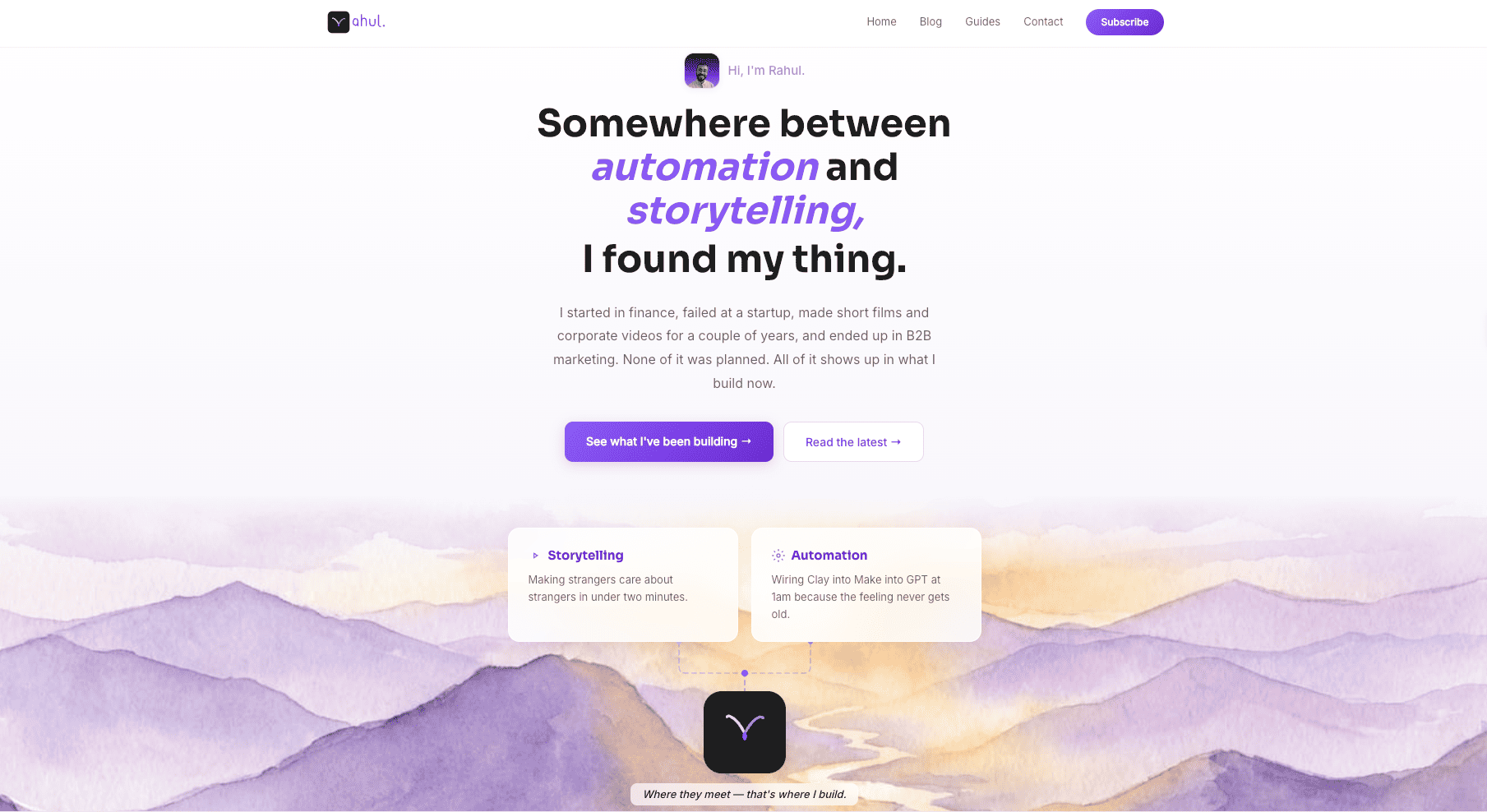
I've worked with developers before. Every project was painful. Fastest I ever shipped was a month. This time, I built my personal website myself. Designed, wrote, coded, deployed. Two days.
But Does This Work for Everyone?
Would I have shipped that website in 2 days if I had no sense of what a developer does? If I'd never sat through a design review? Would the competitive analysis have been useful if I hadn't been curious enough to learn the framework first?
AI is there to help you do things more effectively. It closes the gap faster when you have basic understanding of the task, when you've been curious about what the other person's role involves.
AI Is Not Magic. It's Engineering in Everyone's Hands.
Behind every prompt, Opus 4.6 calls tools. web_search, web_fetch, code execution, file creation. Pure engineering. Tools that only engineers used to access, now in everyone's hands.
You say "do this" and it figures out which tool to call. But it only works when you know which tool to ask for, how to frame the ask, and where to apply the output.
AI is closing the gap. But only if you can see which gaps need closing.
Back to Evelyn. She won that movie not by becoming the best version of herself across all universes. She won by choosing to be present in her own messy reality. The laundromat. The taxes. The complicated family. She stopped trying to be everything and just showed up as Evelyn.
Joy broke because she tried to replace every character, become every version, erase every role. That's the everything bagel. That's nihilism.
AI won't break us. Not if we use it the way Evelyn used the verse-jump in the end — not to replace the developer, the designer, the strategist, but to understand their world well enough to work alongside them. To be more effective at our own role, not to erase everyone else's.
The moment we try to become everyone and remove every other role? That's the bagel. That's when it breaks.
Let Evelyn be Evelyn. Let the rest have their roles. At least, let's not screw up the movies.
What gaps are you closing with AI? And which ones did you not even know existed until you started building?